What is the color of

Character's Part from Source?

ToonTone.one Original

Match the colors you remember.
Meet five classic characters, then find each one's perfect shade.


A fast color memory challenge

Toon Tone turns cartoon color memory into a playable test.

Toon Tone is a free browser game for players who think they remember every iconic cartoon shade by heart. Each round shows a familiar character prompt, asks you to recall one exact color, and lets you rebuild that tone with simple HSB controls. The idea is easy to grasp: remember the color, adjust hue, saturation, and brightness, then see how close your guess lands. That clean loop makes Toon Tone a quick color guessing game for casual players, animation fans, artists, and anyone who enjoys testing visual memory without installing anything.

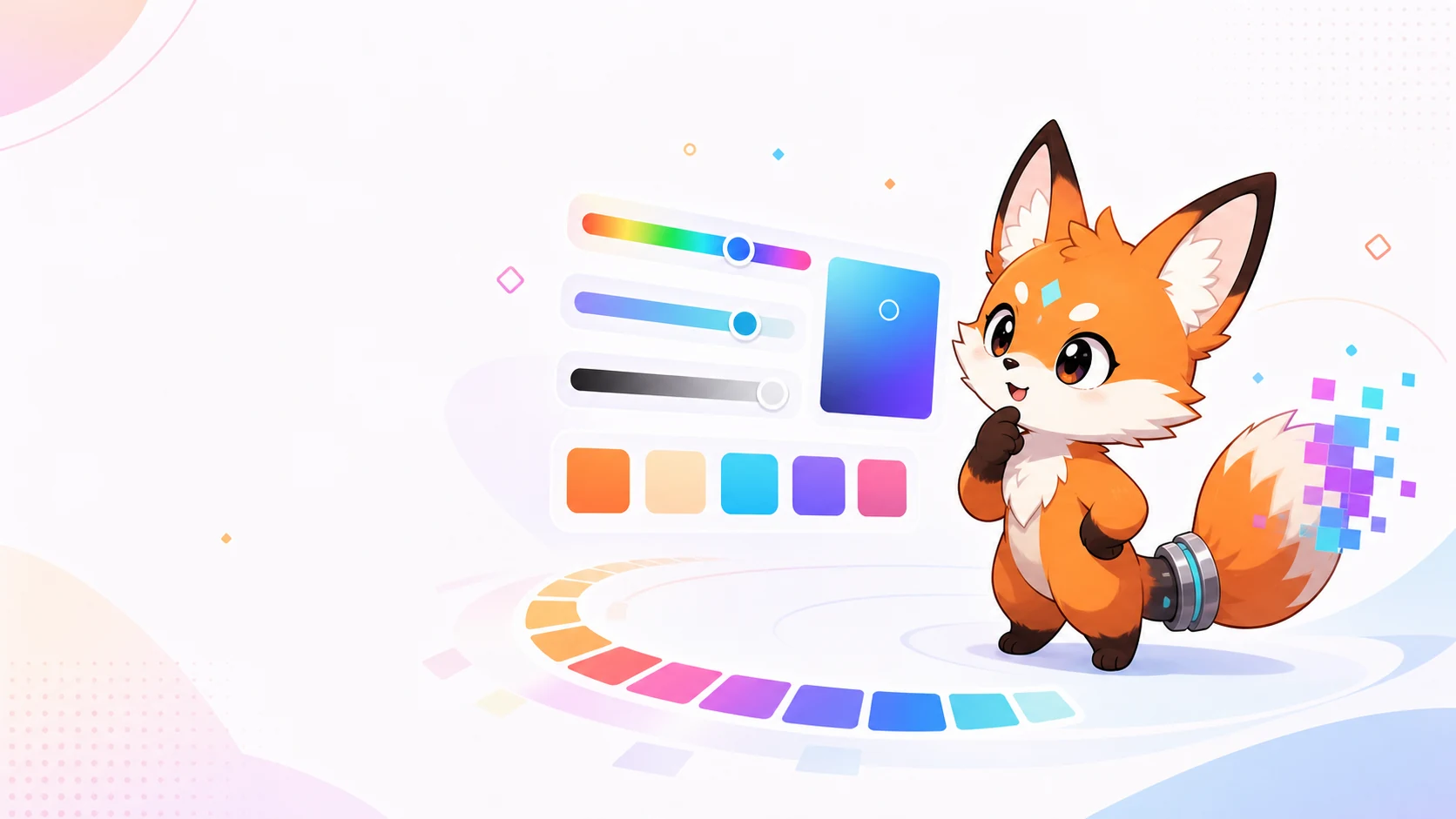
Pico the pixel fox exploring color controls

What is Toon Tone?

Toon Tone is built around one focused question: do you really know the colors of the characters you recognize? Many players can name a character instantly, but Toon Tone asks for something more precise. Was that yellow warmer or cooler? Was the blue highly saturated or slightly muted? Was the red bright, deep, or closer to orange? As a color guessing game, Toon Tone turns those tiny visual decisions into a score you can understand immediately.

A typical Toon Tone session lasts five rounds. You study the prompt, move the HSB sliders, submit your answer, and compare your selection with the original color. Toon Tone gives fast feedback, so every round teaches you something about color perception. The game feels simple, but the challenge becomes surprisingly deep once you start noticing how memory changes familiar colors.

Why Toon Tone is fun

Toon Tone works because it combines nostalgia with precision. You are not answering trivia or choosing from obvious multiple-choice swatches. You are rebuilding a color from memory. That makes Toon Tone feel personal: your score reflects what your eyes remember, not just what your mind can name.

Who should play

Toon Tone is made for animation fans, design students, illustrators, UI designers, and quick-game players. If you enjoy a short color guessing game that can be replayed in minutes, Toon Tone fits easily into a break, commute, class activity, or daily color practice.

How to play Toon Tone

Toon Tone keeps the rules direct so the challenge stays on color memory. Start a game, read the character and target area, then use the three controls to shape your guess. Hue sets the color family, saturation decides how vivid the color feels, and brightness controls how light or dark the final answer becomes. Submit your answer to see the score, compare both colors, and move to the next round.

Pico demonstrating the Toon Tone play flow
  1. Read the prompt.Toon Tone tells you which character part to remember.
  2. Adjust HSB.Use hue, saturation, and brightness to build the shade.
  3. Submit and compare.Toon Tone shows how close your color guess was.
  4. Replay for accuracy.Each color guessing game run sharpens your visual memory.

Tips for a higher Toon Tone score

The best Toon Tone strategy is to solve color in layers. First, choose the broad hue. Decide whether the target is closer to yellow, orange, red, purple, blue, green, or a mixed edge between them. Next, lower or raise saturation. Cartoon colors often feel more vivid in memory than they are on the original image, so Toon Tone rewards players who resist over-saturating every guess. Finally, tune brightness. A color can have the right hue and still lose points if it is too pale or too dark.

After every Toon Tone round, compare your answer with the original rather than rushing ahead. Notice whether your miss came from hue, saturation, or brightness. This turns the color guessing game into a lightweight training tool. Over time, Toon Tone helps you recognize warmer yellows, cooler blues, softer shadows, cleaner highlights, and the small shifts that make a cartoon palette memorable.
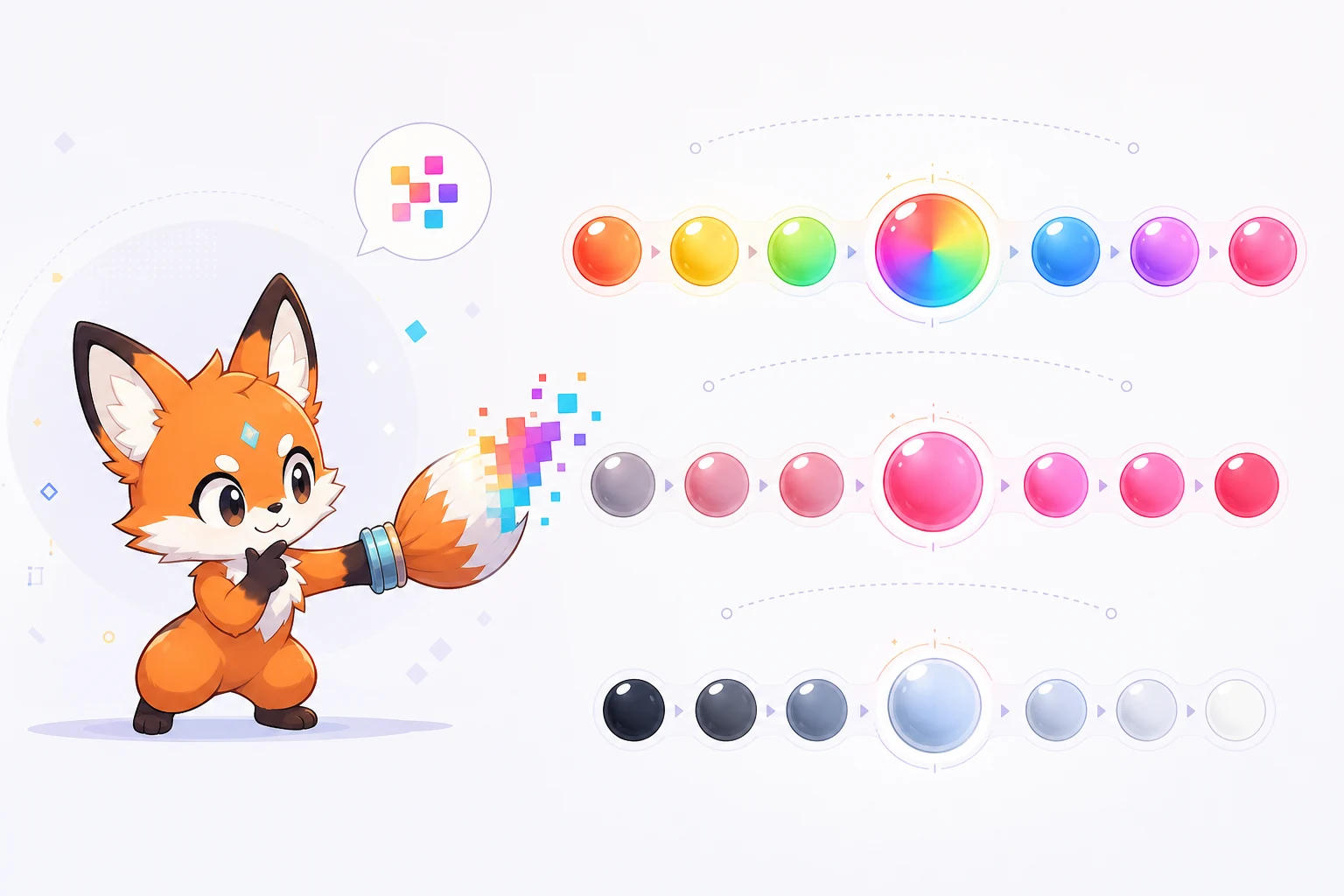
Pico comparing hue saturation and brightness

Why Toon Tone helps train color sense

Toon Tone is not only a casual game. It also builds practical color awareness. Designers and artists often need to judge color without relying on a picker, and Toon Tone creates a playful way to practice that skill. Because each color guessing game gives immediate visual feedback, you can connect a number, a swatch, and a memory at the same time.

For new players, Toon Tone reveals how unreliable color memory can be. For experienced visual creators, Toon Tone becomes a quick drill for calibration. The more you play, the easier it becomes to separate the three parts of a color and make more confident adjustments.

Toon Tone also works well for friendly competition because every result is easy to read. A perfect answer feels earned, while a near miss gives you a clear reason to try again. Friends can compare average scores, replay the same difficulty, or use Toon Tone as a warm-up before drawing, editing, or studying palettes. Since Toon Tone uses short rounds, the color guessing game stays focused instead of becoming tiring.
Play Toon Tone when you want a quick challenge

Toon Tone runs in the browser, loads quickly, and keeps each session short. You can play Toon Tone on desktop or mobile, practice a single five-round set, then come back later to beat your score. There is no heavy setup and no long tutorial. The entire color guessing game is built around one satisfying moment: seeing whether the color in your memory matches the color on the screen.

Toon Tone FAQ

Is Toon Tone free to play?

Yes. Toon Tone is a free online color guessing game that you can open directly in your browser.

Do I need design experience to enjoy Toon Tone?

No. Toon Tone is easy for anyone to play, while still being useful for people who want to improve color judgment.

What makes Toon Tone different from other guessing games?

Toon Tone focuses on precise color memory instead of names, facts, or multiple-choice answers. That makes each color guessing game feel visual, fast, and replayable.

Can I replay Toon Tone to improve my score?

Yes. Each Toon Tone session is short, so you can replay often, compare your average score, and gradually improve how accurately you judge hue, saturation, and brightness.